Valentine Hearts Embroidery File Review
As a designer who has spent years testing machine embroidery designs for both personal projects and client work, I approach every new embroidery file with a critical eye. The market is flooded with generic patterns that look great on a screen but fall apart under the needle. When I first opened the Valentine Hearts Embroidery File, my goal was to determine if this set could actually hold up in a real-world production environment or if it was just another digital asset destined for the trash bin after one failed test run.
First Impressions: Mood and Visual Weight
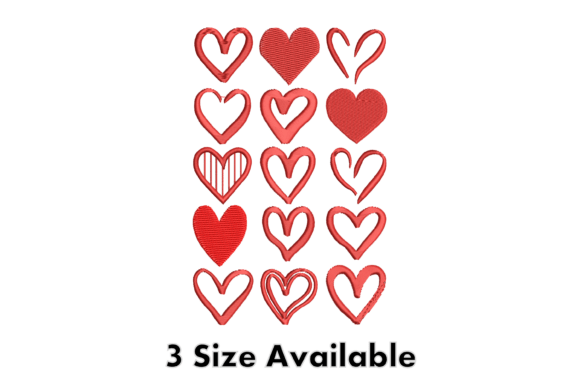
The initial view of the Valentine Hearts Embroidery File presents a charming, classic aesthetic. It is not overly complicated, which is often a good sign for commercial viability. The design relies on clean lines and traditional heart shapes, suggesting a versatile appeal for anyone looking to add a touch of romance without overwhelming the garment. For a Valentine S Day collection, simplicity often wins because it allows the texture of the thread and the quality of the fabric to shine through.
Visually, the layout feels balanced. There are no awkward gaps or dense clusters that usually cause stitching issues. The visual personality is warm and inviting, making it an ideal candidate for custom apparel ranging from men's hoodies to delicate baby bodysuits. However, as a professional, I know that what looks perfect on a monitor can behave differently when translated into physical stitches. The true test lies in how the design interacts with different materials and hoop sizes.
Real-World Application: A Tote Bag Scenario
To truly evaluate this machine embroidery design, I imagined a specific scenario: preparing a limited-run batch of canvas tote bags for a local boutique. These bags need to be durable, washable, and visually appealing enough to sell as standalone gifts or branded merchandise. I loaded the Valentine Hearts Embroidery File into my digitizing software to simulate the stitch path.
In this context, the design excels. The heart shapes are distinct enough that they won't blur together on the textured surface of a canvas bag. Unlike some intricate floral patterns that get lost in heavy fabric weaves, these hearts maintain their definition. If I were selling these as a handmade product on Etsy or at a craft fair, the clarity of the design would significantly boost customer trust. Buyers want to see crisp details, especially on items like tote bag design pieces that will be carried daily.
I also considered using this for sweatshirt embroidery. On a fleece hoodie, the soft pile of the fabric can sometimes swallow smaller details. With the Valentine Hearts Embroidery File, the bold outlines ensure the design remains visible even against the fuzzy background. This makes it a strong contender for winter collections or holiday-themed merchandise where visibility and warmth are key.
Navigating Fabric Challenges and Stitch Density
While the design is robust, there are areas where caution is required. As with any embroidery project, the success depends heavily on the substrate. I would advise against using this file on very thin or highly stretchy fabrics without proper support. The stitch density appears moderate, which is generally safe, but on a lightweight silk scarf or a thin cotton tee, the tension could cause puckering.
For baby embroidery on bodysuits, the softness of the material is paramount. Here, the choice of stabilizer becomes critical. Since the Valentine Hearts Embroidery File includes multiple sizes, selecting the smallest version for a tiny chest placement on a onesie requires careful hooping. You must ensure the stabilizer is cut away cleanly so that no rough edges irritate a baby's skin. The fill stitch within the hearts should be checked to ensure it isn't too tight, which could make the fabric stiff.
Another consideration is the use of dark fabrics. While the description mentions red hearts, the contrast is vital. On a black custom apparel item, you might need to adjust the thread colors or add a light backing layer to ensure the red pops. Without sufficient contrast, the finished product may look muddy rather than vibrant. Always test your color palette on a scrap piece of the actual fabric before committing to a full run.
Strategic Placement and Hoop Size Considerations
The product description notes that the file comes in three sizes, which is a significant advantage for versatility. This allows designers to adapt the digital embroidery file for various applications. For example, the largest size would be perfect for a central back print on a hoodie or a large patch application. The medium size works well for the left chest area of a shirt, while the smallest size is ideal for caps, hats, or as a subtle accent on a pillow cover.
However, when working with curved surfaces like caps, the hoop size limits become apparent. Even if the design fits numerically, the curvature can distort the shape of the hearts if the cap hoop is not compatible with the specific dimensions of the file. I always recommend checking the manufacturer's specifications for cap hoops before attempting to embroider on structured headwear. Similarly, on layered garments or items with thick seams, placing the design directly over a seam line can lead to uneven stitching.
Business Viability for Craft Entrepreneurs
For the Etsy seller or small shop owner, time is money. A design that requires constant re-stitching due to errors is a loss of revenue. The Valentine Hearts Embroidery File seems designed to minimize these headaches. Its straightforward nature means less troubleshooting and faster turnaround times for orders. This efficiency is crucial during peak seasons like Valentine S Day when order volumes spike.
From a branding perspective, using high-quality design assets elevates the perceived value of your products. Customers associate crisp, professional embroidery with quality craftsmanship. By integrating this file into your commercial embroidery workflow, you signal to buyers that you care about detail. Whether you are creating a personalized gift or a boutique product, the consistency of the stitch quality contributes to brand recognition.
It is also worth noting the potential for creating embroidered patch versions of this design. Cutting out the hearts after stitching them onto a sturdy backing fabric can open up new product lines, such as denim jackets or backpacks. This flexibility adds depth to your inventory without requiring new design work.
Practical Designer Notes for Success
Before you commit this machine embroidery design to a paid order, follow these practical steps:
- Test on Scrap Fabric: Never skip the test run. Use the same fabric and stabilizer you plan to use for the final product to check for puckering or shifting.
- Verify Thread Colors: Ensure the red thread provides enough contrast against your chosen background. Test swatches in natural light to see the true color.
- Check Stitch Density: Inspect the fill stitch closely. If it looks too dense, it may tear the fabric; if too sparse, the backing may show through.
- Confirm Licensing: Before selling finished items or digital products containing this design, review the license terms. Ensure you have the right to use it for commercial embroidery purposes.
- Use Proper Stabilizer: Match the stabilizer weight to the fabric type. Heavier fabrics need heavier support to prevent distortion.
- Mockup Testing: Create printable mockups in black and white to visualize how the design sits on different products before stitching.
In conclusion, the Valentine Hearts Embroidery File offers a reliable, versatile option for designers looking to expand their Valentine's collection. It balances charm with practicality, making it suitable for everything from personalized gifts to small business merchandise. By respecting the limitations of different fabrics and following standard testing protocols, you can create beautiful, professional-grade items that customers will love. As always, the magic happens not just in the design file itself, but in the skillful execution by the maker.