Three Flowers Embroidery Design Review
As a designer who has spent years testing machine embroidery designs for both personal craft projects and commercial client work, I approach every new digital file with a critical eye. The market is flooded with generic patterns, but finding a Three Flowers Embroidery Design that actually translates well from screen to fabric is a different challenge entirely. This specific design promises a timeless floral touch, and in my experience, "timeless" often means versatile enough to survive the trend cycle of handmade goods. Before you download this embroidery file or commit it to a premium sweatshirt for a boutique order, let's break down how it performs in real-world stitching scenarios.
First Impressions: Visual Weight and Mood
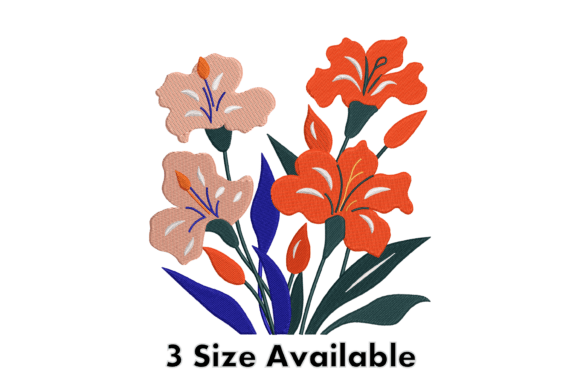
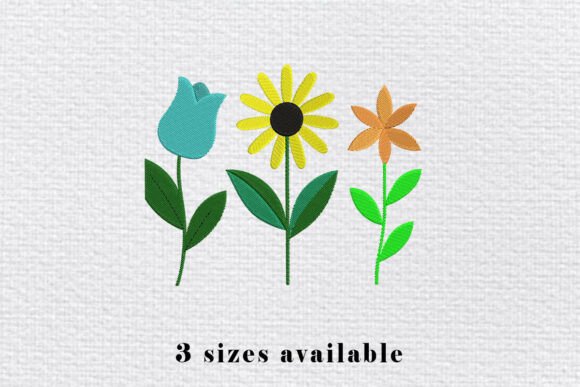
When I first loaded the Three Flowers Embroidery Design into my digitizing software, the layout immediately stood out. Unlike many single flower assets that feel isolated or unbalanced, this trio creates a natural visual rhythm. The arrangement suggests movement without being chaotic, which is crucial when placing a motif on curved surfaces like caps or the chest of a t-shirt. The mood is elegant yet grounded; it avoids the overly cartoonish look that plagues some baby embroidery collections while remaining soft enough for nursery decor.
The level of detail strikes a balance between intricate and practical. In the world of machine embroidery design, too much detail can lead to thread breaks and registration issues, especially on textured fabrics. Here, the petals appear to utilize a mix of satin stitch for definition and fill stitch for volume. This combination is excellent for creating depth, making the flowers pop against the background fabric. For an Etsy seller or small shop owner looking to elevate their product photos, this visual weight adds immediate perceived value to a finished product.
Testing the Stitch: A Real-World Scenario
To truly evaluate this asset, I simulated a common project request: a custom embroidered tote bag for a local florist's promotional giveaway. Tote bags are tricky because they are often made of heavy canvas that requires significant stabilizer support, and the surface area is large enough to expose any flaws in the Three Flowers Embroidery Design.
I hooped the canvas with a cutaway stabilizer and ran the test. The result was impressive. The stitch density held up well, preventing the heavy thread from puckering the fabric—a common issue with dense floral patterns. The three blooms sat evenly spaced, creating a focal point that didn't overwhelm the bag. If I were using this for custom apparel, specifically a sweatshirt, the same logic applies. The design is robust enough to withstand the stretching of knit fabrics if properly stabilized, making it a strong candidate for sweatshirt embroidery lines.
However, the true test of a design lies in its versatility. Could this work as a delicate accent on a tea towel? Yes. Would it function as a bold statement on a denim jacket patch? Absolutely. The flexibility of the Three Flowers Embroidery Design makes it a valuable addition to a library of design assets for anyone running a craft business. It bridges the gap between a simple decorative element and a standalone piece of art.
Navigating Fabric and Hoop Challenges
While the design is versatile, it is not immune to the physics of embroidery. There are specific situations where caution is required. First, consider the hoop size. Although the description doesn't specify exact dimensions, floral trios often require a medium-to-large hoop to maintain proportion. Attempting to shrink this design into a tiny 4x4 inch hoop could compress the petals, turning distinct blooms into a muddy blob of thread. Always check the file specifications before committing to a small project.
Fabric texture is another variable. On smooth cotton or linen, the Three Flowers Embroidery Design shines. However, on highly textured fabrics like thick wool or nubby tweed, the fine details of the petals might get lost. In these cases, increasing the thread colors contrast is essential. Using a bright white or metallic thread against a dark, textured background can help define the shape where the fabric grain interferes with the stitch clarity.
For those working with stretchy materials like jersey or spandex blends, this design requires a water-soluble or tear-away stabilizer applied generously. The tension from the fill stitch areas can cause distortion if the fabric isn't locked down firmly. Similarly, on dark fabrics, the underlay stitches must be perfect to prevent the black fabric from showing through lighter thread colors, which would ruin the elegance of the Single Flowers aesthetic.
Commercial Viability and Brand Consistency
For the creative entrepreneur, the question is always about return on investment. Does this design sell? In my view, yes. Customers love recognizable, classic motifs. A personalized gift featuring these three flowers feels thoughtful and high-quality. Whether it's a holiday ornament, a wedding guest book cover, or a holiday embroidery item for a seasonal collection, the design carries a professional polish that builds customer trust.
Using this digital embroidery file consistently across your product line can also aid in brand recognition. Imagine a series of kitchen towels, aprons, and pillow covers all featuring this specific floral arrangement. It creates a cohesive look for your small shop product catalog. When customers see that signature style, they associate it with your brand's quality. This consistency is harder to achieve with random, disjointed patterns.
Furthermore, the design works exceptionally well in printable mockups. Even before you stitch the first sample, you can visualize how the Three Flowers Embroidery Design will look on various products. This allows you to create compelling marketing images for your online store or social media channels, driving engagement before the physical inventory is even produced.
Practical Designer Notes for Success
If you decide to integrate this embroidery project into your workflow, follow these practical steps to ensure the best outcome:
- Test on Scrap Fabric: Never skip the test run. Use the same type of fabric and stabilizer you plan to use for the final product to catch any tension or registration issues early.
- Check Thread Contrast: Evaluate how the design looks in black and white first. High contrast ensures the details remain visible, especially on busy backgrounds.
- Verify Licensing: As with any commercial embroidery asset, confirm the license terms. Ensure you are permitted to sell finished items or use the design for client work before launching your product line.
- Inspect Small Details: Look closely at the junction points between the three flowers. Sometimes, complex joins can trap lint or cause thread breaks during long runs.
- Consider the Finish: Think about how the design will age. Dense fill stitch areas can sometimes become stiff after repeated washing. If durability is key for items like baby clothes or kitchen linens, adjust the density settings if your software allows.
Final Verdict
The Three Flowers Embroidery Design is a solid, reliable asset for designers who value aesthetics without sacrificing functionality. It avoids the pitfalls of over-digitization while providing enough visual interest to make a handmade product stand out on a crowded shelf. Whether you are creating a one-off personalized gift or stocking a boutique with embroidered patches and tote bag designs, this pattern offers the versatility needed for a modern craft business.
It is not just a file; it is a tool for storytelling. With proper stabilization and careful color selection, it transforms ordinary fabric into something special. For the seasoned maker or the aspiring Etsy seller, this design represents a low-risk, high-reward opportunity to add a touch of floral elegance to your portfolio. Just remember to test thoroughly, respect the fabric limitations, and always prioritize the quality of the finished product.