Herbal Bowl Embroidery: A Designer's Review
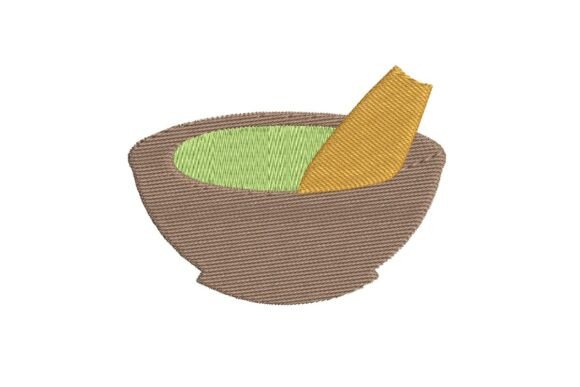
As I set up my booth for the upcoming weekend craft fair, the table is already groaning under the weight of finished samples. There are embroidered tote bags lined with linen, aprons ready for the kitchen, and stacks of tea towels waiting to be folded. In this competitive space, every machine embroidery design must earn its place on the display. Today, I am reviewing a new asset that promises to bring the healing spirit of nature into our homes: the Herbal Bowl Embroidery. This design, described as a Natural Apothecary Kitchen Decor piece available in five sizes, targets wellness lovers and herbalists. But does it translate from a digital file to a sellable handmade product? Let's dive into the practicalities of turning this embroidery file into a profitable craft fair product.
First Impressions: Rustic Elegance Meets Modern Wellness
When I first opened the digital embroidery file, the aesthetic was immediately clear. The Herbal Bowl Embroidery exudes a vibe that sits perfectly between rustic farmhouse charm and modern apothecary elegance. It is not overly busy, nor is it starkly minimal. Instead, it feels organic and grounded. For a Etsy seller or boutique maker targeting the wellness niche, this visual language is powerful. It suggests care, health, and a connection to nature without shouting. The botanical elements within the bowl feel lush yet structured, making it an ideal candidate for high-end commercial embroidery projects.
In a crowded market where buyers scan hundreds of items, this design stands out because it tells a story. It doesn't just look like a picture; it looks like a lifestyle. When placed on a neutral linen background, the greens and earth tones pop, creating a premium feel that justifies a higher price point for the finished product.
Product Placement: Where Does It Shine?
The true test of any embroidery design is how it performs across different mediums. With the Herbal Bowl Embroidery coming in five sizes, versatility is key. Here is how I see it performing on specific items for my booth:
- Tote Bag Design: This is likely the best seller. Placed centrally on a canvas tote, the design becomes a statement piece. The larger sizes work beautifully here, allowing customers to carry their "healing spirit" to the grocery store. It transforms a utilitarian item into a fashion accessory for the eco-conscious shopper.
- Apron Embroidery: For the home cook who loves herbs, an apron featuring this motif is irresistible. I envision placing the design on the bib area. It elevates the apron from a simple kitchen tool to a cherished heirloom. The stitch density needs to be managed carefully here to ensure the fabric remains flexible around the waist.
- Tea Towel Embroidery: Textured towels can be tricky, but the Herbal Bowl Embroidery has enough definition to stand up against the weave of a cotton towel. It adds a touch of luxury to everyday dishes. Just ensure you use the right stabilizer to prevent puckering on the textured surface.
- Embroidered Patch: The smaller sizes of this design are perfect for patches. These can be sold individually or attached to denim jackets, hats, or backpacks. They serve as excellent low-cost impulse buys at the bottom of a craft fair table.
- Fabric Pouches and Pillow Covers: Small cosmetic pouches or decorative pillow covers benefit from the intricate details of the herbs. The design feels cozy and inviting, perfect for a gift shop setting.
Production Realities: Stitch Density and Fabric Texture
While the concept is beautiful, the execution requires attention to detail. As an experienced designer, I always advise testing the Herbal Bowl Embroidery on scrap fabric before committing to a batch production run. One critical factor is the stitch density. Botanical designs often have fine lines representing leaves and stems. If the density is too high, the fabric may become stiff, especially on delicate items like pillow covers or thin tea towels. Conversely, if it is too sparse, the details might get lost.
Fabric texture plays a massive role in the final look. On a smooth cotton blend, the design will look crisp and precise. However, on a thick, looped terry cloth or a heavy canvas, the tiny details of the herbs might blur slightly. This is not necessarily a flaw, but rather a stylistic choice. For a small shop product, knowing which fabrics work best is crucial. I recommend pairing this design with medium-weight linens or sturdy cottons that hold the stitches well without overwhelming them.
Another consideration is the hoop size. Since this design comes in five sizes, you must match the hoop to the specific version you are using. Hooping too tightly can distort the natural curves of the bowl and herbs, while hooping too loosely leads to registration issues. Always check the recommended hoop size in the file documentation before starting your machine.
Selling Strategy: Visual Appeal and Brand Consistency
For creative entrepreneurs looking to build a brand, consistency is everything. The Herbal Bowl Embroidery offers a cohesive theme that can tie together an entire collection. Imagine a booth display where every item—from the tote bag design to the apron embroidery—features this motif in varying scales. This creates a strong visual identity that draws customers in. It signals that your shop specializes in wellness and natural living.
Photography is another vital aspect. When listing these items online, the design photographs exceptionally well. The contrast between the green thread colors and natural fabric backgrounds creates images that stop the scroll on social media. To maximize this, create at least one real printable mockup or, better yet, photograph the actual finished product in a styled setting, perhaps surrounded by dried herbs or a wooden cutting board. This context helps the buyer visualize the product in their own home.
Customer engagement often hinges on the perceived value of the handmade product. Because the Herbal Bowl Embroidery features detailed botanical work, it conveys craftsmanship. Buyers understand that such detail takes time and skill. This perception allows you to price your items competitively while maintaining healthy margins. It moves the product away from being a commodity and positions it as a curated, artisanal good.
Practical Designer Notes for Success
To ensure your Herbal Bowl Embroidery project is a success, keep these professional tips in mind:
- Test on Scrap Fabric: Never skip the test run. Check how the threads interact with your chosen material.
- Check Thread Contrast: Ensure the thread colors you select stand out against the fabric. Muted greens on dark olive fabric may lose impact.
- Review Spacing: If adding text to the design, confirm there is enough room so the lettering doesn't crowd the herbs.
- Use the Right Stabilizer: A cutaway stabilizer is usually best for durable items like totes, while a tearaway might suffice for lighter items like tea towels.
- Confirm Licensing: Before selling any commercial embroidery products, verify that your license allows for the sale of finished goods. Do not assume unlimited rights.
- Create Mockups: Use design assets to show potential customers how the design looks on various items before you sew them all.
In conclusion, the Herbal Bowl Embroidery is a robust addition to any embroidery business owner's portfolio. It balances aesthetic appeal with practical application, making it a reliable choice for both physical markets and online shops. By paying attention to production details like stitch density and fabric choice, you can turn this digital embroidery file into a standout craft fair product that resonates with the modern consumer's desire for natural, handmade beauty.