Halloween Pumpkin Witch Hat Embroidery Review
As a designer who has spent years navigating the delicate balance between creative whimsy and technical execution, I approach every new machine embroidery design with a critical eye. The market is flooded with generic seasonal assets, so finding a piece that truly stands out requires more than just a quick glance at a thumbnail. Today, I am putting the Halloween Pumpkin Witch Hat Embroidery through its paces to see if it holds up under the scrutiny of real-world application. This isn't just about whether the image looks cute; it is about how it translates into a tangible, high-quality finished product for your craft business or personal projects.
First Impressions: Mood and Visual Personality
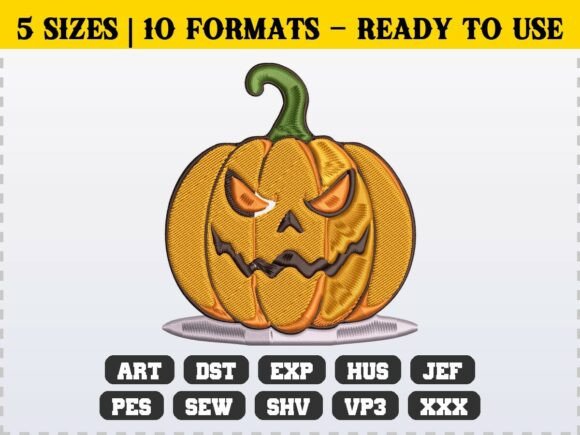
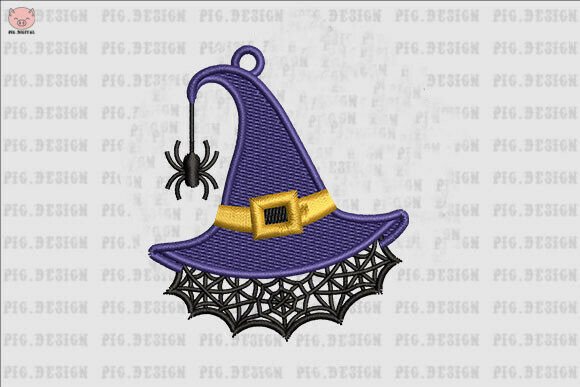
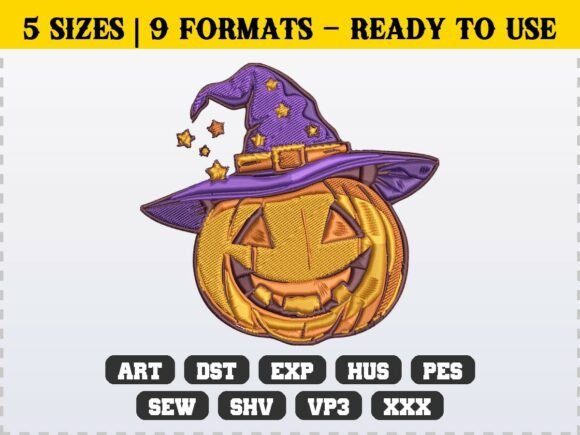
When I first loaded the preview of this embroidery file, the immediate reaction was one of playful nostalgia. The combination of a classic pumpkin with a witch's hat creates a visual shorthand for Halloween that feels both timeless and fresh. Unlike many designs that rely on overly complex gradients or tiny details that get lost in stitching, this piece relies on strong shapes and clear silhouettes. The layout suggests a balanced composition where the organic curves of the pumpkin interact naturally with the angular brim of the hat.
For an Etsy seller or a boutique owner looking to expand their holiday collection, the visual personality here is key. It screams "spooky sweet" without tipping over into scary territory. This makes it incredibly versatile. It could work equally well on a toddler's onesie or a trendy tote bag for an adult. The design assets seem to prioritize clarity, which is often the missing link in digital downloads that look great on a screen but fall apart on fabric.
Testing the Design: A Real-World Scenario
To truly understand the potential of the Halloween Pumpkin Witch Hat Embroidery, I imagined a specific project: a custom embroidered canvas tote bag for a local autumn craft fair. Tote bags are a staple for small shop products because they offer a large, flat surface area that accommodates various hoop sizes. In this scenario, the design would serve as the focal point, centered on the front panel.
I can visualize the fill stitch bringing depth to the orange sections of the pumpkin, while the satin stitch outlines define the black band of the witch hat. The contrast between these two stitch types is crucial. If the density is too low, the orange might show through the black lines, ruining the crispness. If it is too high, the fabric might pucker, especially on a woven canvas. Based on the visual weight of the design, it appears robust enough to handle the tension required for a sturdy tote bag, provided the correct stabilizer is used.
Now, consider a different angle: a personalized gift for a child. Imagine this design stitched onto a soft fleece sweatshirt. Here, the challenge shifts from structural integrity to texture management. Fleece is plush and can hide fine details. However, because the Halloween Pumpkin Witch Hat Embroidery features bold shapes rather than microscopic lettering, it should translate beautifully onto a sweatshirt. The raised texture of the stitches would add a tactile element that children love, turning a simple garment into a cherished personalized gift.
Navigating Fabric Challenges and Technical Considerations
While the design looks promising, any experienced embroiderer knows that the devil is in the details. There are specific scenarios where you must exercise caution. First, consider the hoop size. If you plan to use this on a curved surface like a baseball cap, you need to ensure the design fits within the constraints of a 4x4 or 5x7 hoop without distorting the shape. Curved surfaces can stretch the fabric, potentially warping the symmetry of the witch hat. Always test the design on a scrap piece of the actual fabric before committing to a client order.
Fabric texture is another critical factor. On thin materials like chiffon or lightweight cotton, the stitch density of the pumpkin fill could cause puckering or even tear the fibers. In these cases, using a cutaway stabilizer is non-negotiable. Conversely, on dark fabrics, the thread colors become paramount. You cannot simply assume the default palette will pop against black denim. You may need to adjust the thread colors or add a layer of underlay to ensure the pumpkin's orange vibrates against the background rather than getting swallowed by it.
Furthermore, think about the longevity of the finished product. Items like kitchen towels or aprons undergo frequent washing. If the design includes long running stitch elements that are not secured properly, they may fray over time. Inspect the digitization to ensure all edges are locked down securely. For an embroidered patch intended for heavy wear, such as on a backpack or jacket, the durability of the stitch structure becomes the primary concern.
Impact on Brand Consistency and Customer Trust
For creative entrepreneurs and small business owners, every stitch contributes to your brand identity. Using a high-quality digital embroidery file like the Halloween Pumpkin Witch Hat Embroidery signals professionalism to your customers. When a buyer receives a custom apparel item where the design sits flat, the colors are vibrant, and there is no visible backing material, their trust in your craftsmanship skyrockets. They are more likely to return for future orders and recommend your shop to others.
On the flip side, a poorly executed design can damage your reputation. If the pumpkin looks distorted or the hat seems lopsided due to poor hooping or incorrect stabilizer choice, the perceived value of the item drops instantly. In the competitive world of handmade products, presentation is everything. This design offers a strong foundation, but it is up to the maker to execute it flawlessly. Using printable mockups during the sales process can also help manage customer expectations, showing them exactly how the design will look on different backgrounds.
Practical Designer Notes for Success
- Test Run: Never skip the test run on scrap fabric. Check for puckering, thread breaks, and color registration before starting your final project.
- Stabilizer Selection: Match your stabilizer to the fabric weight. Woven fabrics usually need tear-away, while knits require wash-away or cut-away support.
- Color Contrast: Evaluate how the design looks in black and white mockups first to ensure the silhouette is clear, then verify the thread colors against light and dark backgrounds.
- Licensing Check: Before selling finished items or offering the embroidery file as part of a bundle, confirm the licensing terms. Ensure you have the right to use it for commercial embroidery projects.
- Density Review: Inspect the stitch density settings. High density can make the design stiff, while low density may leave gaps in the fill areas.
The Halloween Pumpkin Witch Hat Embroidery represents a solid opportunity for makers looking to capitalize on the holiday season. Its charm lies in its simplicity and versatility, making it suitable for everything from baby embroidery to adult accessories. By approaching the project with a strategic mindset—considering fabric, stabilizer, and execution—you can transform this digital asset into a physical product that delights customers and elevates your brand. Whether you are creating a single holiday embroidery piece for a friend or producing a batch of merchandise for your online store, this design provides the perfect canvas for your creativity.