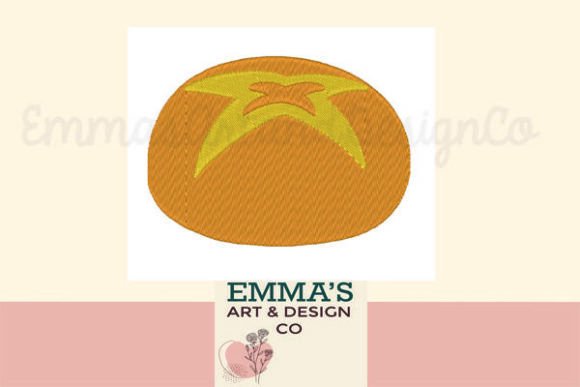
Bread Roll Machine Embroidery Design Review
As a professional embroidery designer who has spent years digitizing assets for small business merchandise, I approach every new machine embroidery design with a critical eye. When evaluating the Bread Roll Machine Embroidery file for potential commercial use, my primary focus is not just on how cute it looks on a screen, but how it translates into a tangible asset for brand identity. This specific design falls under the Thanksgiving category, yet its application extends far beyond a single holiday season. For owners of bakeries, cafés, boutiques, and handmade brands, this embroidery file offers a unique opportunity to inject warmth and character into custom apparel and branded patches.
First Impressions: A Friendly and Rustic Brand Asset
The first thing that strikes me about the Bread Roll Machine Embroidery is its inherent friendliness. In the world of branding, visual personality is everything. Unlike rigid geometric logos or overly complex illustrations, this design feels rustic, approachable, and undeniably cozy. The description notes it is a "beautiful filled embroidery design," which suggests a solid, bold silhouette rather than a delicate outline. For a small business merch strategy, this is a significant advantage. Filled designs tend to be more durable and easier to read from a distance, making them ideal for items like tote bags, aprons, and staff uniforms where visibility matters.
When I visualize this as a digital embroidery file, it evokes a sense of homemade quality and premium craftsmanship. It fits perfectly with brands that want to communicate authenticity. Whether you are running a local bakery looking for seasonal caps or a florist creating event merch, the aesthetic aligns with the "handmade product" vibe that modern consumers crave. It does not feel cheap; instead, it feels like a deliberate choice to highlight the artisanal nature of your business.
Real-World Application in Small Business Merchandise
Let us move beyond decoration and discuss how the Bread Roll Machine Embroidery performs in actual production scenarios. I have reviewed this design specifically for its versatility across various substrates commonly used by Etsy sellers and apparel decorators.
- Staff Uniforms and Apron Embroidery: For a café or bakery, placing this design on the chest pocket of a chef's jacket or the bib of an apron creates an instant connection with customers. It signals that your establishment values tradition and comfort. Because the design is professionally digitized for smooth stitching, it should hold up well against the frequent washing cycles that kitchen staff endure.
- Cap Embroidery and Headwear: The rounded shape of a bread roll is naturally suited for cap fronts. However, because curved surfaces can distort flat designs, it is crucial to ensure the digitization accounts for the curve. If the stitch density is managed correctly, this becomes a standout accessory for promotional events or team building.
- Tote Bag Design and Shopping Bags: Tote bags are a staple for boutique merchandise. A large version of the Bread Roll Machine Embroidery on a canvas tote serves as a walking billboard. The filled nature of the design ensures it remains legible even when the bag is crumpled or full of groceries.
- Embroidered Patches: One of the most cost-effective ways to use this design is to create embroidered patches. These can be sold individually as add-ons or sewn onto denim jackets, backpacks, and hats. Patches allow for high-volume production without needing multiple machines, making them perfect for scaling your small business merch line.
- Event Merch and Customer Gifts: During the Thanksgiving season, offering a limited-edition item featuring this design can drive customer engagement. It acts as a memorable token of appreciation, reinforcing brand loyalty.
Critical Considerations for Production Quality
While the Bread Roll Machine Embroidery is promising, experienced designers know that no file is perfect out of the box for every scenario. There are specific areas where caution is required to maintain professionalism and product value.
Stitch Density and Fabric Texture
The description mentions "smooth stitching and clean results," which implies a good foundation. However, if you are applying this to textured fabric like heavy wool or thick fleece, you must test the stitch density first. High density on thick material can cause puckering, ruining the finished product. Always run a test on the actual fabric you intend to use. If the design feels too heavy, you may need to adjust the underlay or reduce the fill count slightly to prevent the fabric from warping.
Sizing and Detail Retention
Do not attempt to shrink this design too much. While it works well as a medium-sized patch, reducing it to a tiny sleeve detail might cause the fill stitches to blur together, losing the definition of the bread roll. For cap embroidery, keep the size moderate to ensure the thread colors pop and the shape remains recognizable. Tiny lettering often accompanies food-themed designs; if this file includes text, verify that it is readable at your intended scale before committing to a bulk order.
Color Contrast and Visibility
Thread colors play a massive role in brand recognition. On dark uniforms, a light-colored bread roll will stand out beautifully, but you must ensure the stabilizer is appropriate to prevent show-through. Conversely, on light fabrics, using a warm golden or tan thread will enhance the "freshly baked" look. Always review the color palette against your existing design assets to ensure visual consistency across your brand.
Impact on Brand Identity and Customer Trust
Using a high-quality machine embroidery design like Bread Roll Machine Embroidery directly impacts how customers perceive your brand. In the competitive landscape of handmade brands and local businesses, the quality of your physical goods speaks volumes. A professionally stitched logo or accent builds trust. It tells the customer that you care about details, from the product inside the package to the packaging itself.
This design adds a layer of tactile luxury to your offerings. When a customer touches a well-executed embroidered patch on a tote bag, they associate that quality with your entire business. It elevates the perceived value of your products, allowing you to potentially charge a premium for custom apparel. Furthermore, consistent use of such design assets across different platforms—from printable mockups to actual physical goods—strengthens brand recall. Customers begin to recognize the shape and style, associating it immediately with your shop or service.
Practical Designer Notes for Implementation
Before you integrate the Bread Roll Machine Embroidery into your production workflow, follow these practical steps to ensure success:
- Test in Black and White: Before buying expensive threads, print the design in grayscale or embroider a test in black to check the flow of the digitization and spacing.
- Verify Hoop Size: Confirm that the design fits within your standard hoop sizes. If it requires a larger hoop than you own, you may need to split the design or invest in new equipment.
- Use Proper Stabilizer: Do not skimp on stabilizers. For filled designs, a cut-away stabilizer is often necessary to support the weight of the thread, especially on stretchy knits or heavy work shirts.
- Create a Printable Mockup: Generate a realistic mockup for client approval or social media marketing. Show the design on a cap, an apron, and a shirt to help clients visualize the final result.
- Check Commercial Licensing: This is non-negotiable. Ensure your license for this digital embroidery file explicitly allows for commercial embroidery projects. You do not want legal issues down the road regarding your small business merch.
- Compare with Other Assets: Place the Bread Roll Machine Embroidery next to your other logos and graphics. Does it clash? Does it complement? Visual harmony is key to a cohesive brand identity.
In conclusion, the Bread Roll Machine Embroidery is a versatile and charming addition to any decorator's library. With its friendly aesthetic and professional digitization, it holds strong potential for enhancing brand identity through custom apparel, patches, and gifts. By following best practices in testing and production, small business owners can leverage this design to create high-quality merchandise that resonates with customers and stands the test of time.